Blog
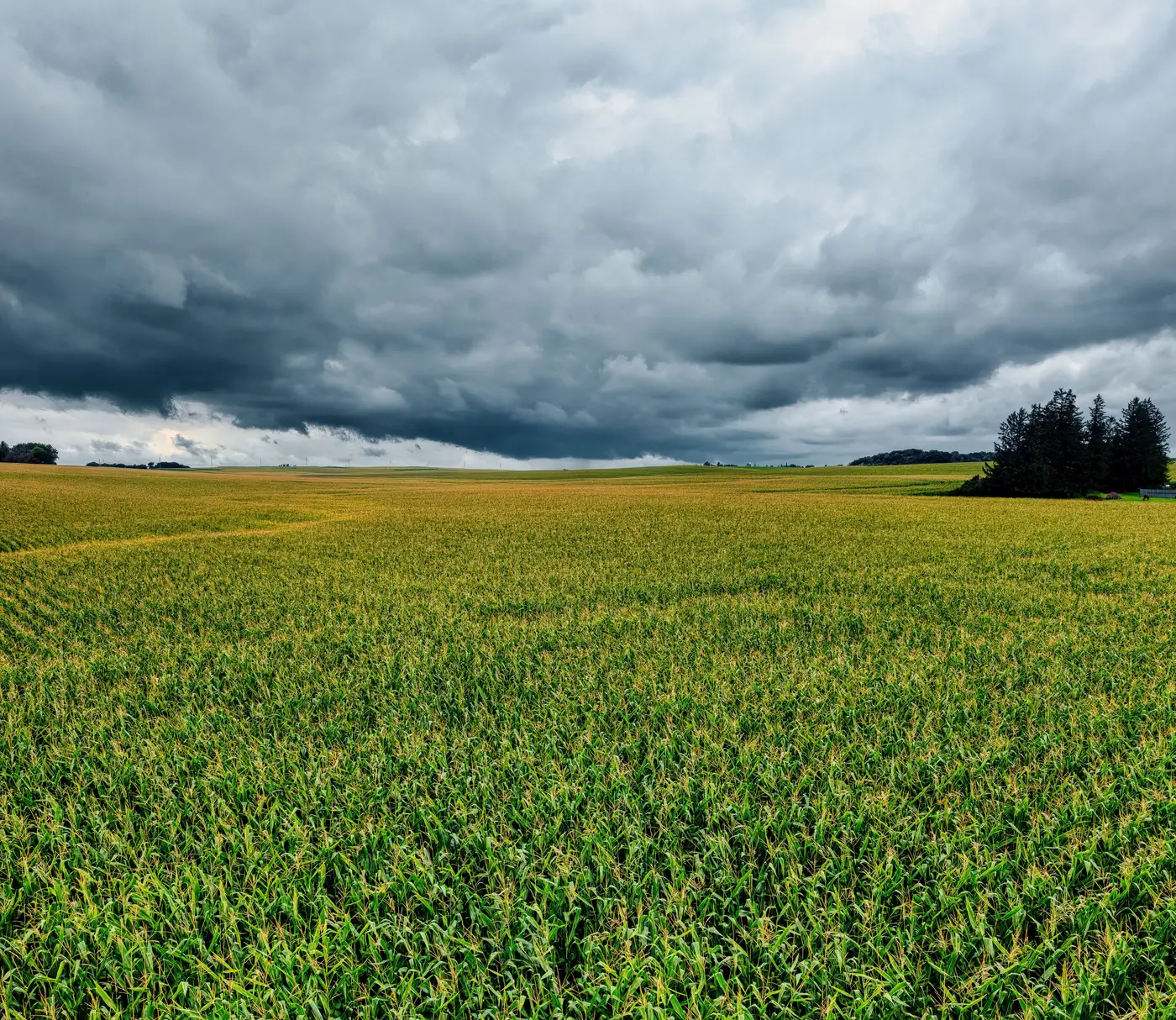 Field notes: the quarter-section where hail hit one corner and spared the rest
A field note on a hail claim where the damage stopped mid-pivot, and why the boundary line matters more than the average.
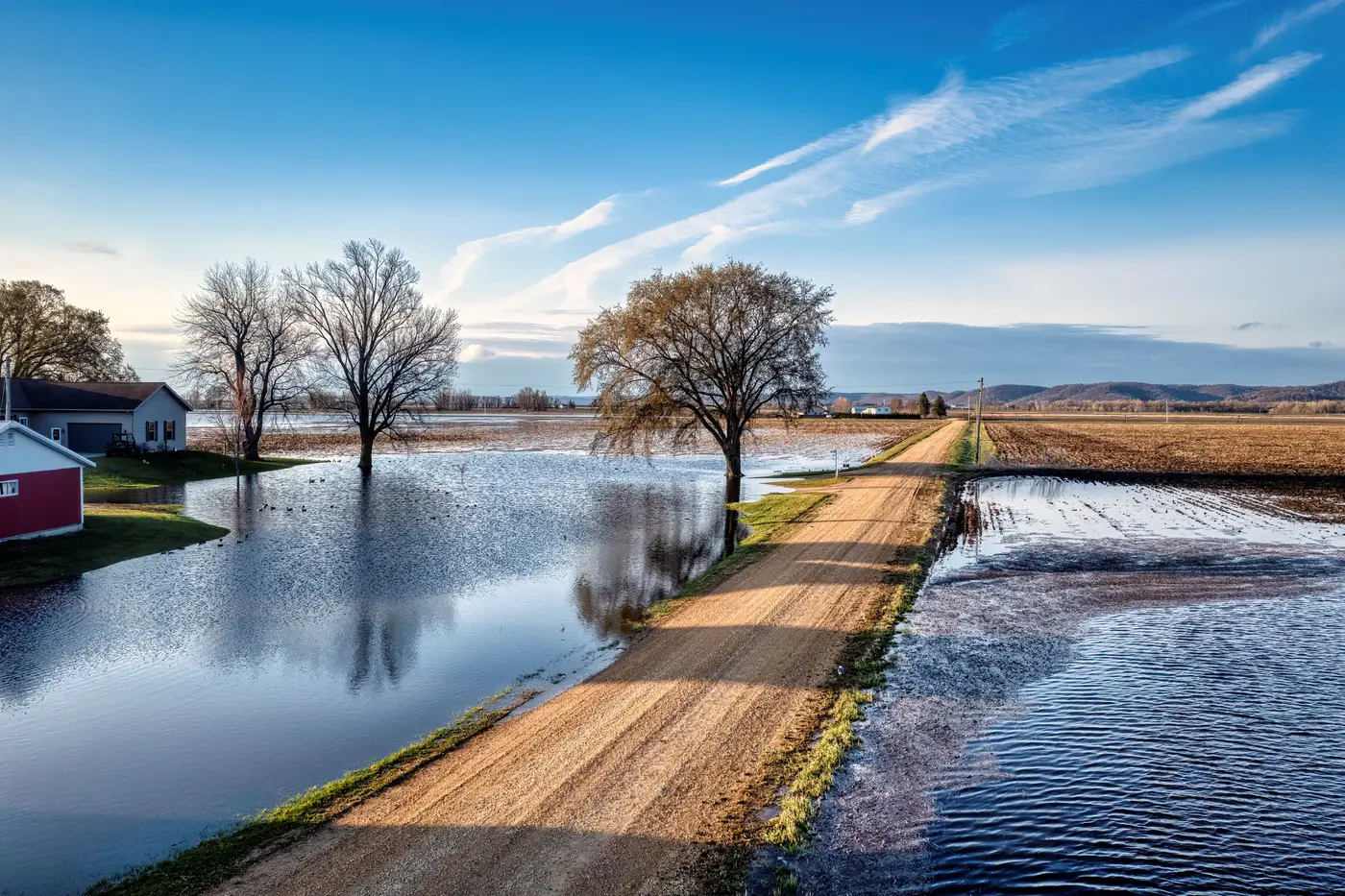 Setting a damage boundary when hail and flood hit the same parcel
How adjusters separate hail and flood damage on one parcel in the same season, and how to date-stamp each boundary before the field walk.
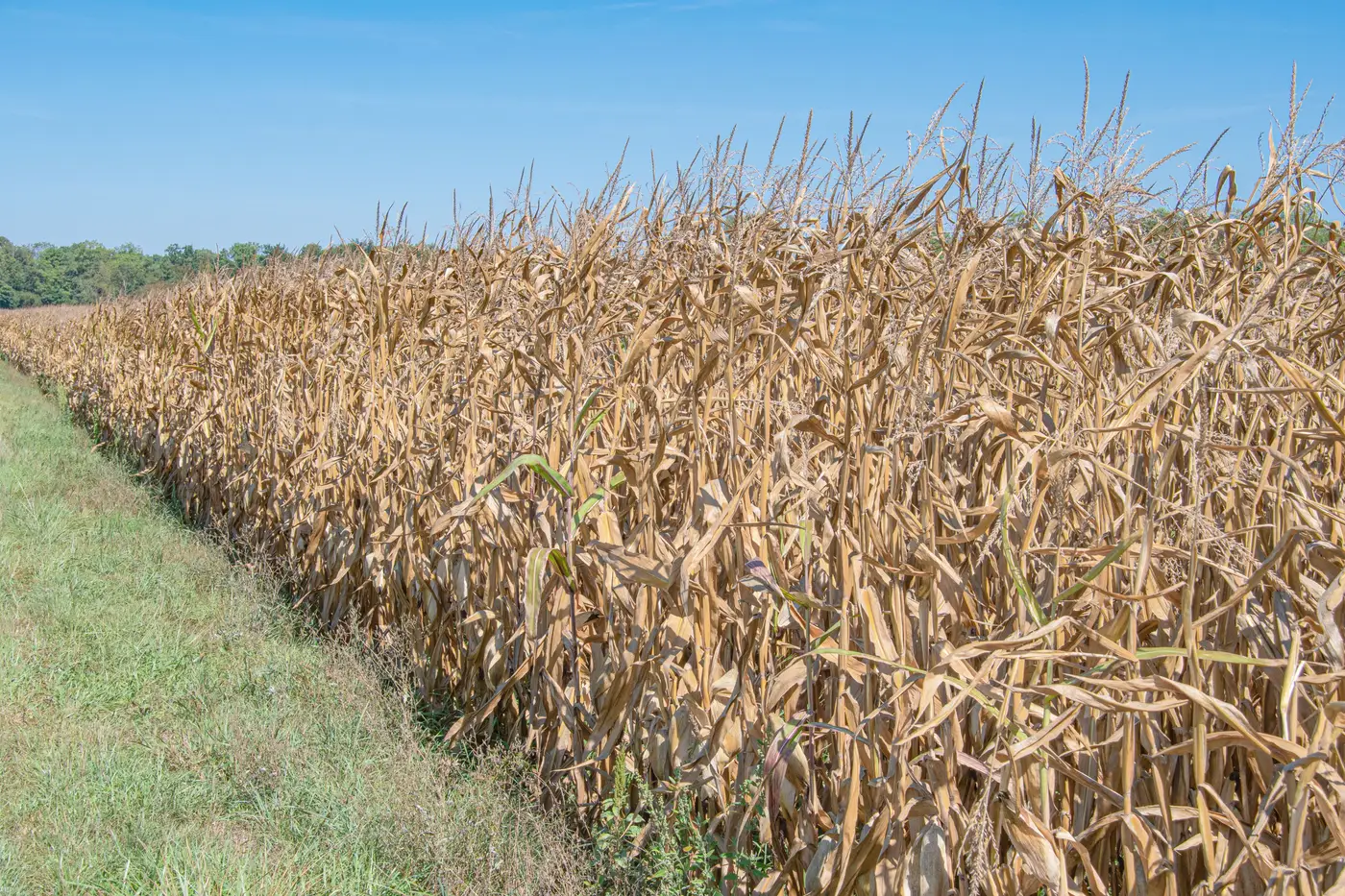 Drought stress or flood stress: reading mixed signatures in one field
A field can carry both drought scars and flood scars from the same season. Here's how to tell which is which before you write the loss.
- Ponding vs. standing water in a flood-damaged field
How to tell ponding from flood-driven standing water on an insured parcel, and why the call decides which peril the claim gets written under.
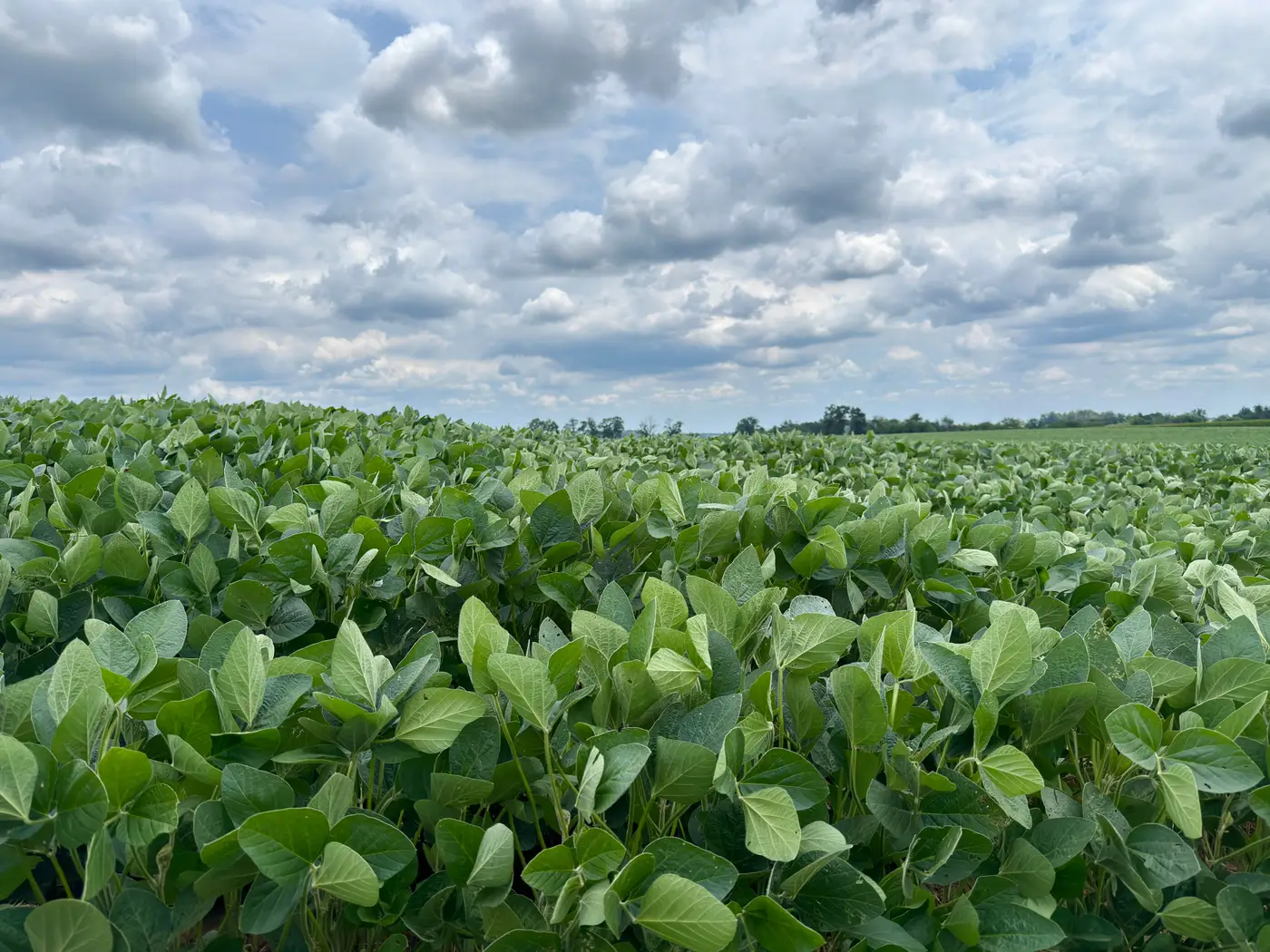 Field notes: the claim file that closed before the grower called
A hail claim where the boundary and severity grade were already in the file before the drive-out, and what that does to the field walk.
- Documenting stand count loss after a flood: a field guide
How to count, map, and document plant stand loss after a flood for the claim file, from timing the count to separating drowned-out zones from scatter.
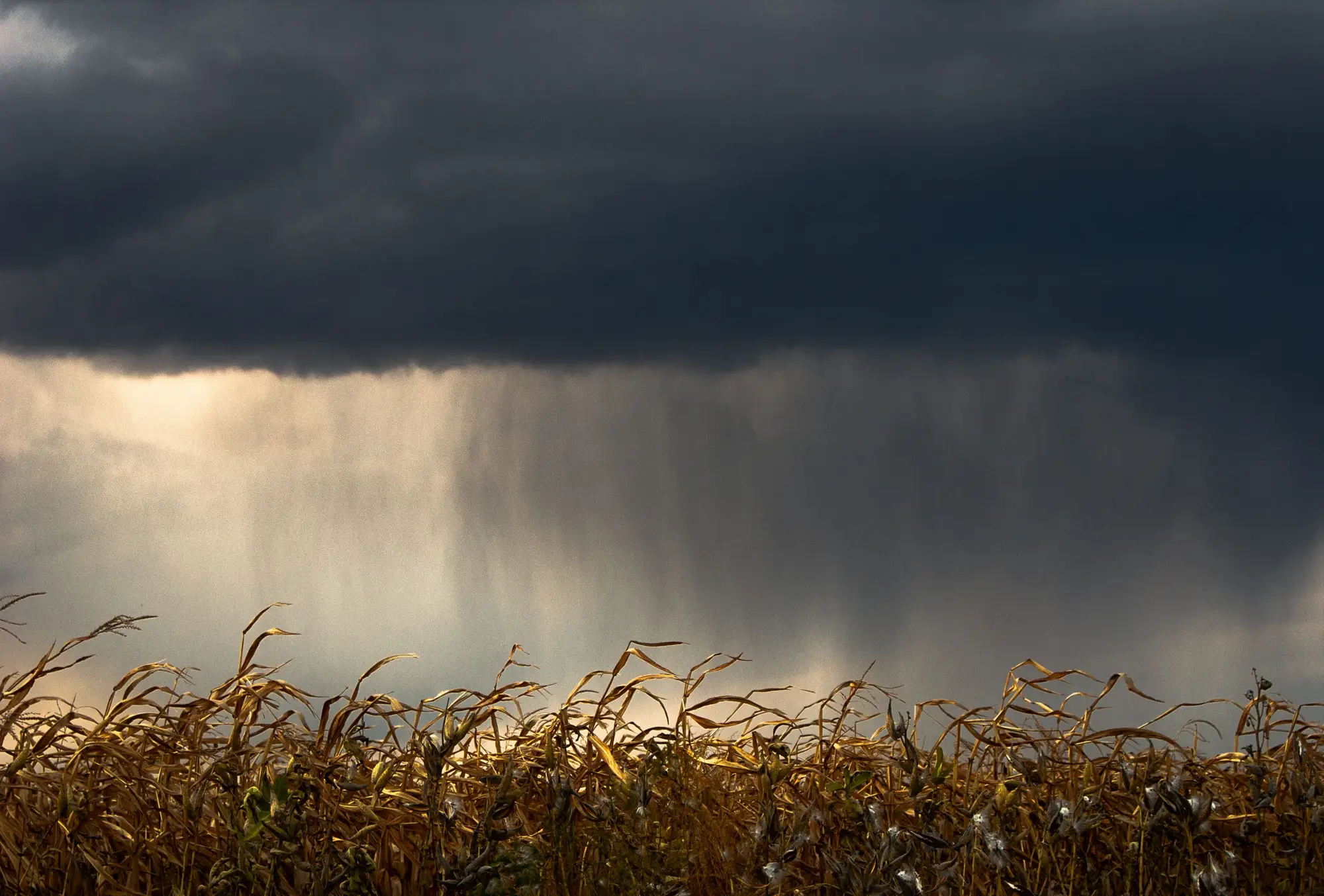 How to map a flood damage boundary inside a single insured parcel
A field-level method for tracing the flood line inside one insured parcel, from water signature to severity grade, before the boots-on-ground walk.
 Frost line vs. damage boundary: what's the difference on a claim?
Frost line and damage boundary get used interchangeably on frost claims, but they're not the same line. Here's what each one marks.
- Field notes: the week a derecho left two counties guessing which fields to walk first
A derecho tore through two counties in one afternoon, and the real work was deciding which section road to turn down first.
- How to document frost damage for a crop insurance claim
A field guide to frost damage claim photos, growth-stage notes, and split-stalk checks that hold up when the file gets reviewed.
- Hail bruise vs leaf spot: reading a soybean canopy after a storm
How to separate hail bruising from disease lesions in a soybean canopy, from stem scarring to leaf pattern, before you write up the claim.
 What is a unit in MPCI, and why it sets your damage boundary
What a unit is in MPCI, how basic units, optional units, and enterprise units differ, and why the unit structure sets your damage boundary.
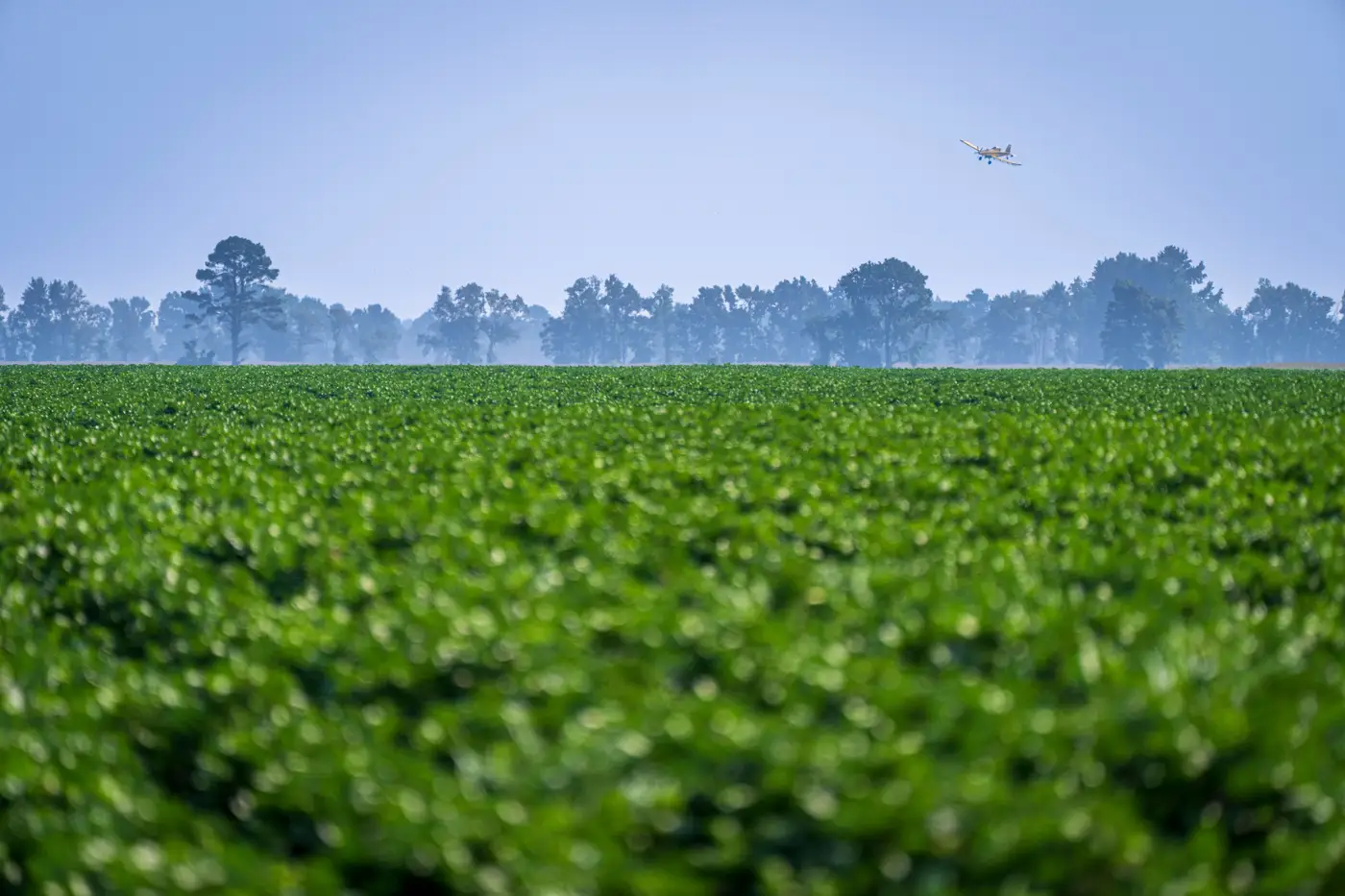 VHR satellite vs. aerial flyover: which gets you a damage boundary faster?
A loss adjuster's guide to VHR satellite imagery vs aerial flyovers for crop damage mapping, and what GSD actually buys you in the field.
- Total loss vs. partial loss after hail: where the line falls
How adjusters separate a total loss from a partial loss after hail, what the percent damage threshold means, and why the field walk still has to confirm it.
- How soon does satellite imagery show hail damage?
When hail damage actually shows up in satellite imagery, why bruising lags canopy loss, and what controls the timing.
- How to grade hail damage severity by crop growth stage
A field guide to reading hail severity against growth stage, and why percent defoliation and stand loss are not the same number.
- Lodging vs flattening: wind damage and hail damage in corn
How to tell wind-lodged corn from hail-flattened corn in the field: root lodging, stalk break, green snap, and the marks each peril leaves behind.
- What is a representative sample in crop loss adjusting?
What a representative sample means in a crop claim, how a check strip gets picked, and why the spot you choose drives the whole payout.