Drought stress or flood stress: reading mixed signatures in one field
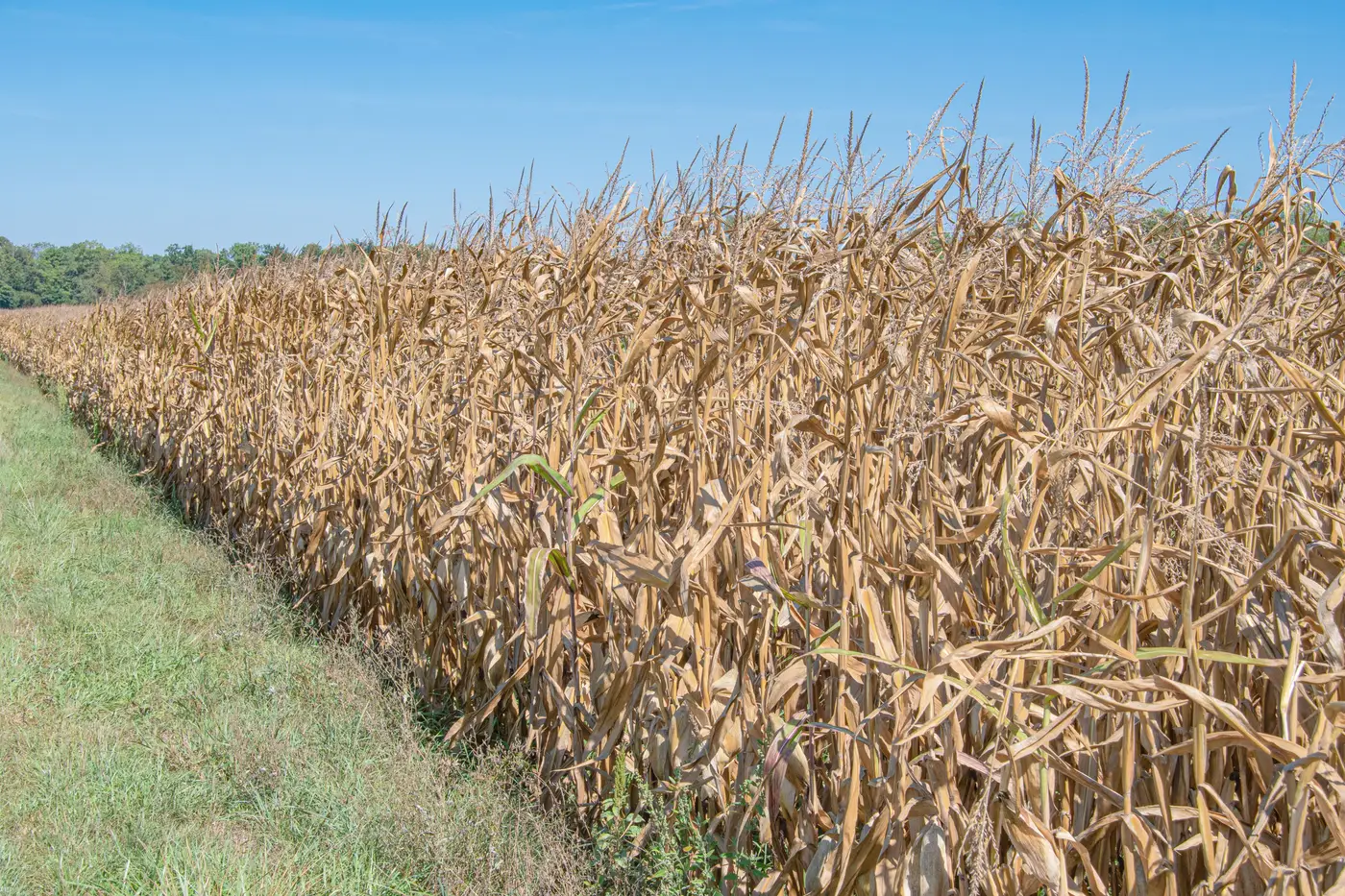
A field doesn't always give you one story. A wet spring that ponded the low ground, followed by three dry weeks in July, leaves two different kinds of damage sitting in the same 80 acres. By the time you walk it for a claim, the symptoms have had weeks to run into each other, and a quick drive-by read can put the wrong cause on the wrong acres.
Here's what separates the two once you know where to look.
Start with where the damage sits, not what it looks like
Flood stress follows water. It shows up in drainage ways, field corners that catch runoff, headlands next to a ditch, and any low spot that held standing water for more than a day or two. The boundary is usually sharp because water has an edge. Walk ten feet out of a ponded zone and the stand can go from dead to normal in a single pass.
Drought stress follows soil, not topography. It tends to hit knolls, sandy ridges, eroded hilltops, and thin-soil zones where the root zone runs out of moisture first. The boundary is softer, a gradient rather than a line, because soil texture changes gradually across a field.
If you're standing at the edge of a damaged patch and the transition is abrupt, think water. If it fades out over thirty or forty feet, think moisture deficit.
Check the roots before you write anything down
This is the fastest tiebreaker in the field. Pull a few plants from the damaged zone.
Flood-killed roots are usually dark, shortened, and mushy near the crown, sometimes with a sour, almost rotten smell. The plant often shows surface rooting, because the roots never had to go deep when the profile was saturated.
Drought-stressed roots look the opposite. They're pale, often longer than normal as the plant chased moisture downward, and there's no odor. Leaf firing in drought stress typically starts at the bottom of the plant and works up, while flood stress tends to hit the whole plant at once or show interveinal yellowing before collapse.
Soil surface tells you something too. Flooded ground often carries a silt film, a crust, or a visible debris line from the water's high mark. Dry ground doesn't leave any of that behind, it just cracks.
Cross-check against the event date
Adjusters know this part already, but it's worth stating plainly because it's the easiest step to skip when you're running five claims in an afternoon. A flood event has a date. A drought has a window, not a date, usually measured in consecutive dry days. If the ponding happened in late May and the field was cut in September, the flood damage has had all summer to get obscured by secondary drought stress on top of it, especially on the same low ground once it dried out and crusted over.
Knowing the event date matters because it tells you which symptom came first and which one is layered on top. That ordering is often the difference between a flood claim and a drought claim, or a split loss covering both.
Where imagery earns its place in the file
None of this replaces walking the field. But a VHR image pulled for the event date gives you a starting boundary before you ever put boots down, so you're not spending the first hour of a field visit just finding where the damage is. RGB and NIR together separate standing-water scars from moisture-deficit zones more cleanly than either band alone, because flood-damaged tissue and drought-stressed tissue don't reflect the same way even when they look similar from the truck window.
Crop Loss Adjust builds that starting boundary from the parcel and the event date, with a severity grade attached, so the field walk starts with a map instead of a guess.
If you're carrying a claim with mixed signals in the same field, get a damage boundary drawn before you drive out there.